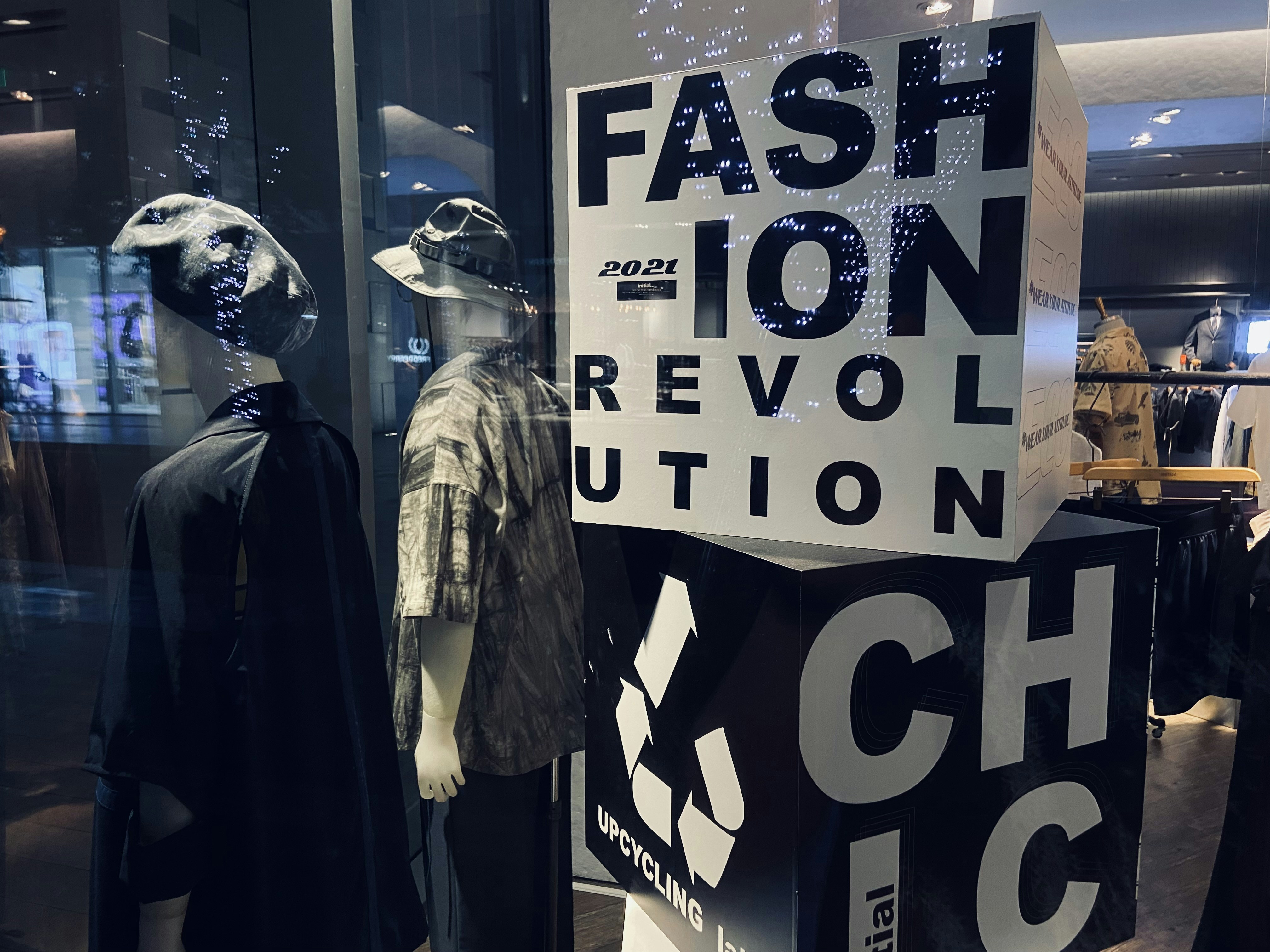
What is Fashion?
Fashion is a complex phenomenon that encompasses a wide array of elements, making it difficult to pin down a singular definition. At its core, fashion refers to the prevailing styles in clothing, accessories, and overall aesthetic choices that reflect the cultural and social zeitgeist of a particular period. However, its scope extends far beyond mere attire. Fashion is deeply rooted in anthropological traditions, developed through societal evolution and interactions, striking at the heart of human identity and expression.
Historically, fashion has served as a barometer of social change, often mirroring shifts in cultural norms, values, and technologies. Different epochs have seen the rise and fall of styles that not only highlight the artistic expressions of an era but also enhance social cohesion or challenge existing hierarchies. For instance, the flamboyant styles of the Renaissance conveyed a sense of wealth and power, while the more practical attire during the Industrial Revolution illustrated a focus on functionality.
Moreover, the contemporary understanding of fashion incorporates lifestyle choices and cultural expression, making it an integral part of individual and collective identities. This is particularly observable in today’s globalized society, where diverse influences shape personal style and cultural exchanges. Fashion serves as a means of social signaling; individuals often use clothing and accessories to align themselves with particular communities or ideologies. It also intersects with other art forms, such as music and visual arts, creating a multifaceted dialogue that enriches the experience of both creators and consumers.
As we navigate the complexities of modern life, it becomes evident that fashion is not merely about following trends or adopting styles; it is an ever-evolving commentary on societal norms and an influential force shaping collective behaviors and perceptions. Understanding fashion in this broader context invites deeper reflection on its significance, responsibilities, and implications in contemporary society.
Key Aspects of Fashion
Fashion is a complex tapestry woven from various key elements that reflect not only personal style but also cultural influences and societal trends. At its core, fashion comprises critical design components such as color, texture, silhouette, and form. Each of these elements contributes to the overall aesthetic of an outfit, allowing individuals to express their identities and tastes uniquely. Color serves as a powerful medium that evokes emotions and sets the mood; the choice of hues can convey attitudes and seasons, influencing what is deemed fashionable at any given time. Texture, on the other hand, adds depth and tactile interest to garments, ranging from smooth silk to rugged denim, thereby affecting how an ensemble is perceived and experienced.
Furthermore, silhouette and form are essential in determining how clothing fits the body. These aspects guide the style’s shape and proportionality, which can either accentuate or downplay different physical attributes. Fashion trends emerge from the continuous evolution of these elements, often shaped by the visionary ideas of designers who push the boundaries of creativity. Designers play a pivotal role in dictating what becomes fashionable; their innovation continually influences the clothing market and consumer preferences.
Consumer behavior is another critical factor in the fashion landscape. The way individuals respond to trends and marketing ultimately determines the success and longevity of whether a particular style resonates with the broader public. Fashion is not solely about aesthetics; it is, perhaps more importantly, a reflection of societal values and cultural narratives, evolving as lifestyles and preferences shift. Together, these aspects underscore the intricate interplay between individual expression and the collective zeitgeist that defines the global fashion scene.
Merits and Demerits of Fashion
The world of fashion is a dynamic landscape that offers both significant advantages and notable drawbacks. On the one hand, fashion serves as a powerful medium for self-expression and creativity. Individuals utilize clothing and accessories to convey their identity, personal style, and cultural heritage. This artistic aspect allows people to showcase their personalities, fostering a sense of individuality in a world that often promotes conformity.
Furthermore, the fashion industry generates substantial economic benefits. The sector contributes billions of dollars to global economies through job creation in various fields, including design, retail, and marketing. Additionally, fashion stimulates innovation and entrepreneurship, as numerous small businesses and startups are born from unique design concepts. The interplay between consumer trends and fashion can also drive advancements in materials and sustainability efforts within the industry.
However, the fashion industry is not without its demerits. One major concern is the phenomenon of fast fashion, which emphasizes rapid production and consumption cycles. This creates significant environmental challenges, including excessive waste and pollution. Fast fashion contributes to a throw-away culture, where garments are often discarded after only a few wears, exacerbating environmental degradation. Socially, the pressure to keep up with ever-changing trends can lead to superficiality and an unhealthy obsession with appearances, affecting mental well-being for some individuals.
Moreover, the fashion world can perpetuate unrealistic beauty standards, leading to issues related to self-esteem and body image. The relentless pursuit of perfection often engenders feelings of inadequacy among consumers, compelling them to conform to societal expectations that may not align with their authentic selves. In navigating the complexities of fashion, it is essential to consider these implications critically, seeking a balance between appreciation for creativity and awareness of industry practices.
The Evolution of Fashion Trends and the Apparel Industry
The evolution of fashion trends is a fascinating tapestry woven from historical, social, political, and technological threads. From the opulent attire of royalty in the past to the fast fashion of today, the journey of apparel design mirrors societal progress and transformation. In ancient civilizations, clothing served not just as protection from the elements but as a reflection of status and identity, with distinct garments indicating rank and cultural affiliation. As societies evolved, so too did fashion, propelled by shifts in authority, such as the French Revolution, which democratized style and laid the groundwork for modern fashion innovation.
By the Industrial Revolution, the rise of the apparel industry marked a significant turning point. Mass production facilitated the widespread availability of clothing, democratizing fashion and allowing disparate classes to access contemporary trends. Marketing strategies evolved concurrently, with the advent of advertising changing how consumers perceived fashion. The transition towards consumerism saw the birth of fashion houses and brands, each competing for market share and shaping public perceptions through the allure of new designs.
In recent years, trends have shifted once again, propelled by a heightened awareness of global sustainability issues. The fast fashion model, characterized by rapid production cycles and affordable pricing, is now often criticized for its environmental impact. As consumer values evolve, a new paradigm emerges, where sustainable fashion takes precedence. Designers are increasingly focusing on ethical sourcing, reducing waste, and emphasizing durable, timeless pieces over disposable styles. This pivot not only reflects changing consumer priorities but also addresses the pressing challenges posed by environmental degradation and changing climates.
Looking to the future, the apparel industry stands at a crossroads, seeking to balance innovation with sustainability. The ongoing dialogue around fashion’s role in society and its environmental footprint will undoubtedly shape the next wave of trends, redefining what it means to be fashionable in a world that increasingly values responsibility and ethical practices.